In recent years, a new travel philosophy known as slow travel has gained significant popularity. Unlike traditional tourism that focuses on visiting many destinations in a short time, slow travel emphasizes experiencing fewer places in greater depth.
This approach encourages travelers to immerse themselves in local culture, cuisine, and daily life rather than rushing through crowded tourist attractions. The goal is to create meaningful experiences while reducing stress and environmental impact.
Slow travel reflects a broader shift toward mindful living, where people prioritize quality experiences over quantity. By spending more time in one place, travelers often discover a deeper connection with the destination and its community.
Understanding the Concept of Slow Travel

Slow travel is inspired by the broader slow movement, which promotes a more thoughtful and sustainable approach to modern life. In the context of travel, this means reducing hurried schedules and allowing time to truly explore a location.
Instead of visiting five cities in a week, a slow traveler may spend the same amount of time exploring one region. This allows for deeper engagement with local traditions, landscapes, and everyday routines.
Travelers might stay in small guesthouses, explore local markets, and interact with residents rather than focusing solely on famous landmarks.
This approach often leads to richer memories and more authentic cultural experiences.
Cultural Immersion and Local Experiences
One of the most rewarding aspects of slow travel is the opportunity to experience local culture in a genuine way. When travelers remain in a destination for longer periods, they have more time to observe and participate in daily life.
They may discover neighborhood cafes, traditional restaurants, or small artisan shops that are rarely mentioned in guidebooks. These experiences provide insights into local traditions and customs that short visits often overlook.
Engaging with residents can also lead to meaningful conversations and friendships. Such interactions allow travelers to understand the history and lifestyle of the destination from a local perspective.
Environmental Benefits of Slow Travel

Slow travel is often associated with more environmentally responsible tourism. Rapid travel between multiple destinations typically involves frequent flights or long car journeys, which contribute to carbon emissions.
By staying longer in one place and reducing transportation frequency, slow travelers may lower their environmental impact. Some also choose environmentally friendly transportation options such as trains, bicycles, or walking.
Additionally, supporting local businesses rather than large international chains can contribute to sustainable economic development within communities.
These choices align with growing global awareness about responsible tourism and environmental conservation.
Reduced Stress and Improved Travel Enjoyment
Traditional tourism itineraries can sometimes feel rushed and exhausting. Trying to see every major attraction within limited time often leads to crowded schedules and fatigue.
Slow travel offers a more relaxed pace. Travelers can spend time enjoying simple activities such as walking through historic neighborhoods, visiting local markets, or relaxing in natural surroundings.
This relaxed approach allows travelers to appreciate the atmosphere of a destination rather than focusing solely on checking locations off a list.
As a result, slow travel often leads to a more enjoyable and fulfilling travel experience.
Economic Support for Local Communities
When travelers spend more time in a single destination, they are more likely to support local businesses. Small restaurants, local markets, family-owned hotels, and artisan shops benefit directly from extended stays.
This economic support helps preserve traditional crafts, local food culture, and community businesses. It also encourages tourism that benefits residents rather than overwhelming local infrastructure.
Many destinations are now promoting slow tourism initiatives to attract visitors who value sustainability and authentic cultural experiences.
The Future of Slow Travel
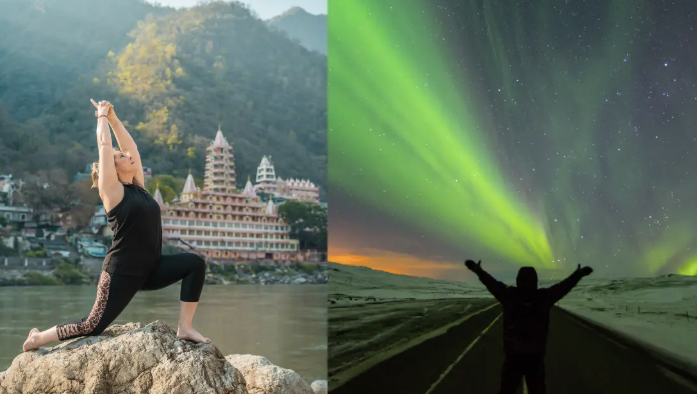
As people seek more meaningful travel experiences, slow travel is likely to continue growing in popularity. Travelers increasingly value authenticity, sustainability, and personal connection with the places they visit.
Technological changes such as remote work also allow more people to stay in destinations for longer periods. This flexibility supports travel styles that combine work, leisure, and cultural exploration.
In the coming years, slow travel may play an important role in shaping a more responsible and thoughtful tourism industry.
Slow travel encourages a deeper and more meaningful approach to exploring the world. By focusing on quality experiences, cultural immersion, and environmental responsibility, it offers an alternative to rushed tourism.
Travelers who adopt this approach often discover that spending more time in fewer places creates richer memories and stronger connections with the destinations they visit. Slow travel is not just a way to see the world—it is a way to truly experience it.