Water is essential for life, yet many people underestimate the importance of proper hydration. The human body is composed of about sixty percent water, and this fluid plays a critical role in maintaining numerous physiological functions.
Hydration supports digestion, circulation, temperature regulation, and nutrient transportation throughout the body. Even mild dehydration can affect energy levels, concentration, and physical performance.
Understanding the role of hydration and maintaining adequate fluid intake is an important part of maintaining overall health.
How Water Supports Body Functions
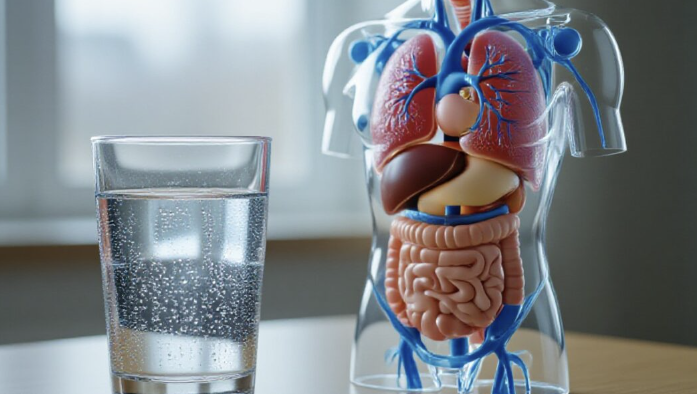
Water participates in nearly every process within the body. It helps regulate body temperature by allowing heat to dissipate through sweating. It also supports circulation by helping transport oxygen and nutrients to cells.
In the digestive system, water assists in breaking down food and absorbing nutrients. It also helps the kidneys remove waste products from the bloodstream through urine.
Without sufficient water intake, these processes can become less efficient, which may affect overall health and well-being.
Signs of Dehydration
Dehydration occurs when the body loses more fluid than it takes in. This imbalance can lead to various symptoms.
Common signs of dehydration include thirst, dry mouth, fatigue, headaches, and reduced concentration. In more severe cases, dehydration may cause dizziness or a rapid heartbeat.
Physical activity, hot weather, and illness can increase the body’s need for fluids. In such situations, maintaining hydration becomes even more important.
Recognizing early signs of dehydration allows individuals to restore fluid balance before more serious symptoms occur.
Hydration and Physical Performance

Proper hydration is particularly important for individuals who engage in physical activity. During exercise, the body loses water through sweat. If these fluids are not replaced, performance may decline.
Dehydration can lead to muscle fatigue, reduced endurance, and impaired coordination. For athletes and active individuals, maintaining hydration supports optimal performance and recovery.
Even moderate activities such as walking or cycling require adequate fluid intake to maintain energy levels and prevent overheating.
Hydration and Brain Function
The brain is highly sensitive to hydration levels. Even mild dehydration can affect mood, memory, and concentration.
Research has shown that insufficient fluid intake may lead to increased feelings of fatigue and difficulty focusing on tasks. For students and professionals alike, maintaining proper hydration can support better cognitive performance.
Drinking water regularly throughout the day helps maintain stable hydration levels and supports overall mental clarity.
Sources of Hydration
While drinking water is the most direct way to stay hydrated, fluids can also come from other sources. Fruits and vegetables such as watermelon, cucumbers, and oranges contain high amounts of water and contribute to daily hydration.
Other beverages, such as milk, herbal teas, and soups, also provide fluids. However, drinks high in sugar or caffeine should be consumed in moderation.
Choosing a variety of hydrating foods and beverages helps maintain fluid balance while providing additional nutrients.
Developing Healthy Hydration Habits
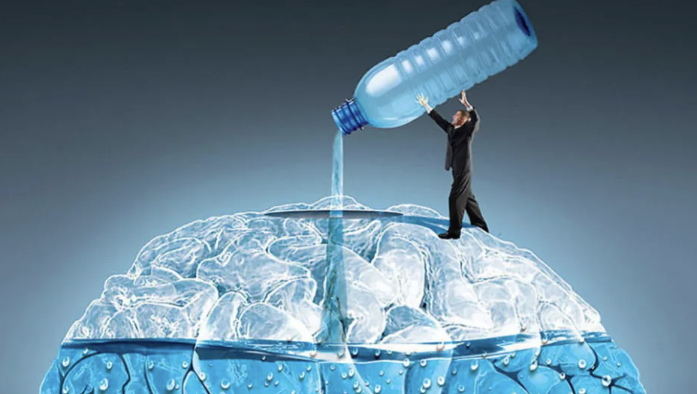
Maintaining hydration often involves simple daily habits. Drinking water regularly rather than waiting until thirst becomes intense helps maintain steady hydration levels. Carrying a reusable water bottle, drinking water with meals, and increasing fluid intake during hot weather or physical activity can support consistent hydration.
Listening to the body’s signals and adjusting fluid intake based on activity levels and environmental conditions helps ensure adequate hydration. Hydration plays a vital role in maintaining the body’s essential functions. From supporting digestion and circulation to improving physical performance and mental focus, adequate fluid intake is fundamental to overall health By making hydration a daily priority, individuals can support their well-being and maintain better energy levels, concentration, and physical health.