Travel has long been associated with relaxation and sightseeing, but many modern travelers are seeking deeper experiences. Cultural tourism has emerged as a growing trend that focuses on exploring the traditions, history, and daily life of different communities.
Rather than simply visiting famous landmarks, cultural tourists aim to understand how people live, work, and celebrate in various parts of the world. This form of travel allows visitors to connect more closely with local cultures and gain a broader perspective on global diversity.
As travelers become more curious about authentic experiences, cultural tourism continues to expand in popularity.
Understanding Cultural Tourism
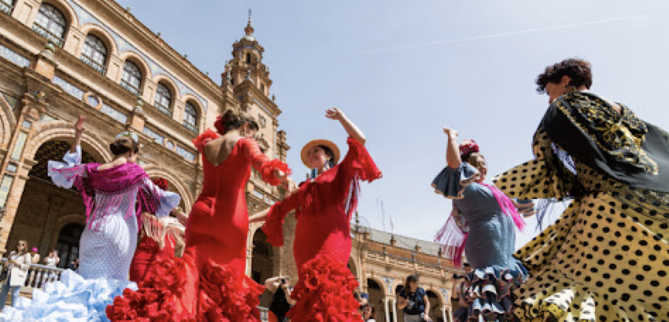
Cultural tourism involves traveling to learn about the cultural heritage of a destination. This may include visiting museums, historical sites, traditional festivals, art galleries, or cultural landmarks.
However, cultural tourism is not limited to major attractions. Many travelers are equally interested in everyday cultural experiences such as local cuisine, crafts, music, and traditional markets.
By participating in these activities, visitors gain insight into the values, customs, and lifestyles of the communities they visit.
Cultural tourism, therefore, emphasizes learning and appreciation rather than simple observation.
Preserving Cultural Heritage
One of the important benefits of cultural tourism is its contribution to preserving cultural heritage. When travelers show interest in traditional art, music, and crafts, local communities often receive encouragement and financial support to continue these practices.
For example, artisans who produce handmade textiles, pottery, or traditional artwork may gain new customers through tourism. This economic support helps maintain cultural traditions that might otherwise decline in a rapidly changing world.
Many governments and organizations now promote cultural tourism as a way to protect historical sites and cultural practices.
Economic Benefits for Local Communities

Cultural tourism can also provide significant economic benefits for local communities. Travelers who seek cultural experiences often support small businesses such as family-owned restaurants, craft markets, and local tour guides.
These businesses play an important role in sustaining local economies. Unlike mass tourism that sometimes benefits only large companies, cultural tourism often spreads economic opportunities more evenly throughout communities.
This approach helps ensure that tourism contributes positively to local development.
Educational Experiences for Travelers
Cultural tourism offers travelers an opportunity to learn about the world in meaningful ways. Visiting historical sites or attending traditional festivals can provide insights that textbooks alone cannot convey.
For many travelers, these experiences encourage greater appreciation for cultural diversity and shared human history. Understanding different traditions and perspectives can broaden knowledge and promote mutual respect between cultures.
Travel therefore becomes not only a leisure activity but also a form of education.
Responsible Cultural Tourism
As cultural tourism grows, responsible travel practices become increasingly important. Visitors are encouraged to respect local customs, traditions, and environments.
Learning about cultural etiquette before visiting a destination can help travelers interact respectfully with local communities. Supporting local businesses and artisans also ensures that tourism benefits the people who preserve cultural traditions.
Responsible cultural tourism helps maintain authenticity while protecting the integrity of local heritage.
The Future of Cultural Tourism

The future of tourism is likely to include an increasing focus on cultural experiences. Travelers today are often motivated by curiosity and a desire to connect with places on a deeper level.
Digital technology and global communication have made it easier for people to discover unique cultural destinations around the world. As a result, smaller towns and lesser-known regions are becoming attractive to travelers seeking authentic experiences. Cultural tourism is expected to continue growing as more individuals value meaningful travel over quick sightseeing.
Cultural tourism provides an enriching way to explore the world. Focusing on traditions, history, and local experiences, it allows travelers to gain a deeper understanding of the destinations they visit. At the same time, cultural tourism supports the preservation of heritage and provides economic opportunities for local communities. As interest in authentic travel experiences continues to rise, cultural tourism will remain an important part of global travel.