The temporomandibular joint, often called TMJ, connects your jaw to your skull and allows your mouth to open, close, and move from side to side. It is one of the most active joints in the body and works every time you speak, chew, or yawn. Inside this joint is a small disc that acts like a cushion between the jawbone and the skull.
When this disc moves out of its normal position, it can lead to temporomandibular disorders, commonly known as TMD. These conditions can cause discomfort and make simple actions like chewing or opening your mouth more difficult.
Several factors can contribute to TMJ problems. Stress and anxiety often play a role because they can cause people to clench their jaw without realizing it. Jaw misalignment, injuries, or excessive pressure on the joint may also lead to these issues.
Signs of a Locked Jaw

TMJ disorders affect the jaw joints and nearby muscles. The symptoms can vary from mild discomfort to persistent pain.
Common signs include
- Clicking or crackling sounds when chewing or opening the mouth
- Pain near the ear or in the jaw area
- Tightness or tension on both sides of the face
- Muscle sensitivity around the jaw
- Neck pain
- Headaches
- Difficulty sleeping
When the jaw locks, opening the mouth can become difficult or painful. The joint may feel stuck in an open or partially closed position, and chewing can become uncomfortable. Symptoms may appear suddenly or develop gradually over time. If these signs continue, it is important to consult a dentist or healthcare professional.
Causes of a Locked Jaw
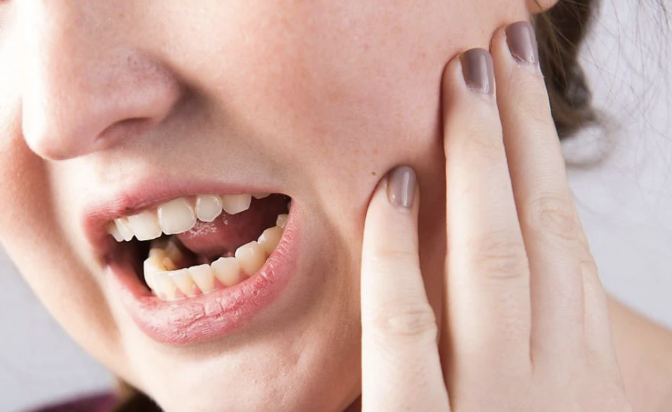
The jaw relies on the temporomandibular joint for smooth movement. Problems often occur when there is excess tension in the muscles or structural issues in the jaw.
Common causes include
- Sudden impact during sports activities
- A direct blow to the jaw or injuries from accidents
- Opening the mouth too wide, which can strain the joint
Teeth grinding, also known as bruxism, is another frequent cause. Many people grind or clench their teeth while sleeping, placing extra pressure on the jaw. Stress, anxiety, and habits such as nail biting can also contribute to TMJ problems.
In some cases, dental issues like misaligned teeth or an improper bite can create uneven pressure on the jaw joint, leading to discomfort over time.
Jaw Lock and Braces
Orthodontic treatments themselves do not cause TMJ disorders. In some situations, they can actually help correct alignment problems that contribute to jaw pain.
Dental appliances or mouthguards are sometimes recommended, especially for people who grind their teeth at night. These devices help reduce pressure on the jaw and protect the teeth.
Possible Treatments for a Locked Jaw
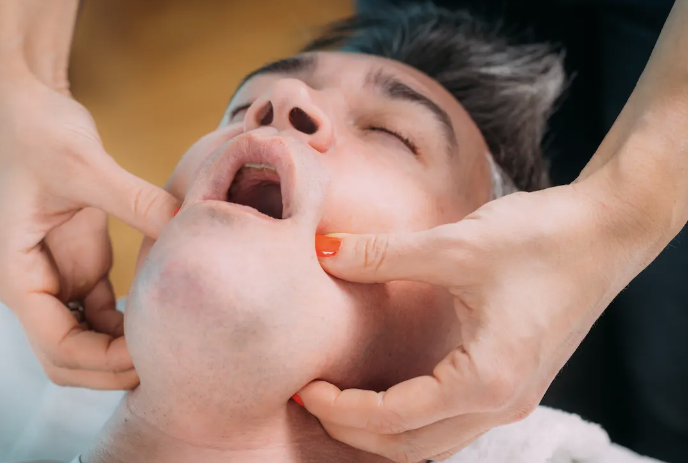
TMJ dysfunction is relatively common, and many treatment options are available to improve joint function and reduce discomfort.
Preventive Care
Simple habits can help reduce strain on the jaw
- Apply a warm compress to relax the jaw muscles
- Limit stimulants such as caffeine, alcohol, and tobacco
- Avoid chewing gum for long periods
- Stop nail biting
- Reduce stress when possible
- Avoid sudden or forceful jaw movements
During a Pain Episode
If the jaw becomes stiff or painful, resting the joint and relaxing the muscles can help. In some cases, a healthcare professional may recommend medication such as anti-inflammatory drugs or muscle relaxants to reduce pain and inflammation.
Dental Care for Recurring Problems
If jaw locking happens frequently, dental treatment may be necessary. A dentist may examine the alignment of your teeth and jaw to identify the underlying cause. Mouthguards or bite adjustments may help reduce pressure on the joint and prevent future problems.
Surgical Options
Surgery is rarely required and is usually considered only in severe cases. Before recommending any procedure, doctors typically use imaging tests such as X rays or MRI scans to evaluate the jaw joint and rule out fractures or other structural issues.
Jaw Exercises
Gentle exercises can sometimes help relax the muscles around the temporomandibular joint. These exercises should be performed carefully and only when pain is manageable.
Exercise One
Place your fingers along the lower jaw and move them toward the area near your ear. You will feel a firm surface close to the joint. Gently massage the area in small circular motions to help relax the chewing muscles.
Exercise Two
Massage the sides of your face while slowly opening and closing your mouth. This movement can help release tension and encourage smoother jaw motion.
Exercise Three
Keep your teeth slightly apart with your mouth closed. Press your tongue gently against the roof of your mouth. This position can help reduce tension in the jaw muscles.
Final Thoughts
TMJ disorders can cause a variety of symptoms, including jaw locking, muscle sensitivity, and persistent pain. In many cases, simple lifestyle adjustments, dental care, and gentle exercises can help manage the condition.