Many people often find themselves choosing between tea and coffee. Beyond taste and daily habits, the choice also raises questions about health. This is where the common debate appears: theine or caffeine. Many assume they are completely different substances, but the reality is a little more interesting.
A Brief Look at the History

Caffeine was first identified in 1819 by the German chemist Friedlieb Runge, who successfully extracted it from coffee beans. A few years later, scientists isolated a similar substance from tea leaves and called it “theine.” For some time, people believed these were two different compounds.
However, around 1830, researchers discovered that theine and caffeine are actually the same molecule. Despite sharing the same chemical structure, the way they affect the body can feel different depending on the drink that contains them.
How Tea Affects the Body

In tea, caffeine interacts with other natural compounds, especially tannins. These tannins slow down the absorption of caffeine in the body. As a result, the stimulation from tea tends to appear gradually and last longer.
Because of this slower release, tea is often associated with a calmer form of alertness. Many people find that it helps them stay focused without feeling overly stimulated. The gentle effect can also promote relaxation while still supporting mental concentration.
How Coffee Affects the Body
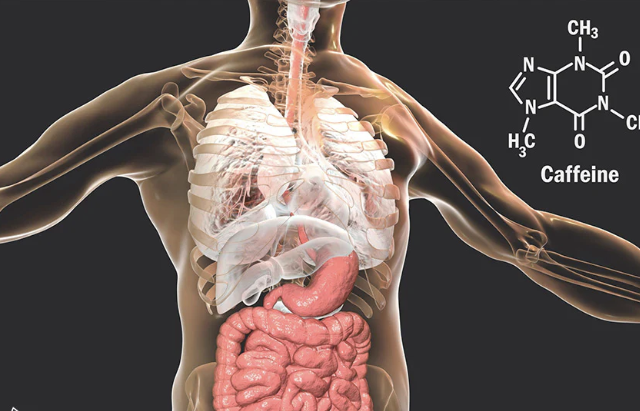
Coffee usually contains a much higher amount of caffeine compared to tea. When you drink coffee, caffeine enters the bloodstream quickly. This rapid absorption is what creates the immediate boost in energy many people experience.
Because of this quick effect, coffee is well known for increasing alertness and helping people feel more awake. It can be especially helpful when someone needs a fast burst of energy or focus.
However, sensitivity to caffeine varies from person to person. Some individuals can drink several cups of coffee without noticing strong effects, while others may feel stimulated even after a small amount.
The Bottom Line
In the end, theine and caffeine are chemically the same. The difference mainly comes from how tea and coffee deliver that caffeine to the body. Tea usually provides a slower, gentler boost, while coffee tends to create a quicker and stronger effect.
Choosing between tea and coffee often comes down to personal preference, daily routine, and how your body responds to caffeine.